
Wrapping A Tattoo
Wrapping A Tattoo - Web wrap your tattoo with a waterproof bandage right before swimming. Web to wrap things up, here’s how your interaction with your artist and getting your tattoo done will likely unfold: Web a tattoo wrap is the material placed over your fresh ink to keep it clean and covered. In traditional tattoo care, covering the fresh, clean tattoo with household plastic wrap (e.g., saran wrap) is usually the first step in the healing process.this piece of wrap generally stays on for 2 to 24 hours. Depending on the size of the tattoo, the wrap might need to stay. Lastly, tattoos wrapped with derma wrap should be left on for 24 hours. Benefits of wrapping your new tattoo #1 keeps the area safe and moisturized. This can be done with a mild soap or antibacterial. Web proper tattoo aftercare is crucial immediately after getting new ink. Remove the wrap when you wake up (or every four to six hours), wash the tattoo and dry it as explained in step 2. Contact the artist or shop to discuss rates and schedule a consultation. Wrapping tattoos in a cling film has been a common practice since the ’60s to ’70s by bikers groups. Aside from that, you need to wrap your tattoo when: Dry skin types may also prefer the wrap healing method for its moisturizing benefits. Lastly, tattoos wrapped with derma wrap should be left on for 24 hours. It shields your new tattoo from bacteria and infections, creates an optimal environment for healing, and prevents irritants like. Depending on the size of the tattoo, the wrap might need to stay. However, if swimming is unavoidable, the next best option is to cover your tattoo with a waterproof bandage like sanaderm, tegaderm, or medical retention tape. A bit of blood under the wrap is completely normal. This includes airborne bacteria, dirt, dust, pet. This can be done with a mild soap or antibacterial. Web when to wrap your new tattoos. On the trip home from your tattoo session your tattoo artist should wrap your fresh tattoo with protective tattoo film or cling film before you leave the studio. Add an extra inch or two for allowance, so no pressure is. Benefits of wrapping. Contact the artist or shop to discuss rates and schedule a consultation. Once your tattoo is finished, your artist will disinfect the area by wiping it with mild soap or an antibacterial ointment. Add an extra inch or two for allowance, so no pressure is. This includes airborne bacteria, dirt, dust, pet. However, if you can’t find professional tattoo wrapping,. Regarding this aftercare guide, how long to keep your tattoo wrapped in cling film is one of the most frequently asked questions. Web your tattoo artist will typically wrap your tattoo before you leave the shop. In traditional tattoo care, covering the fresh, clean tattoo with household plastic wrap (e.g., saran wrap) is usually the first step in the healing. Wrapping tattoos in a cling film has been a common practice since the ’60s to ’70s by bikers groups. A bit of blood under the wrap is completely normal. On the trip home from your tattoo session your tattoo artist should wrap your fresh tattoo with protective tattoo film or cling film before you leave the studio. The main purpose. Web proper tattoo aftercare is crucial immediately after getting new ink. However, if swimming is unavoidable, the next best option is to cover your tattoo with a waterproof bandage like sanaderm, tegaderm, or medical retention tape. Dry skin types may also prefer the wrap healing method for its moisturizing benefits. Wrapping should be done as soon as possible after getting. A bit of blood under the wrap is completely normal. The bandage will need to be taped down with medical tape. While your skin is in the first stage of healing, it is especially susceptible to infection from outside elements. Wrapping should be done as soon as possible after getting your tattoo. Remove the wrap when you wake up (or. Web when to wrap your new tattoos. Contact the artist or shop to discuss rates and schedule a consultation. Before applying the wrap, the tattoo artist will thoroughly clean and moisturize the area to create a safe and moist environment for the tattoo to heal. Web after getting a new tattoo, it’s very important not to scratch or pick it,. Web one of the most important things to do after having your new tattoo is the aftercare process. The best way to wrap a new tattoo is with a special film made specifically for new tattoos. Web a tattoo wrap is the material placed over your fresh ink to keep it clean and covered. The practice became popular in the. Web what should i wrap a new tattoo with? Aside from that, you need to wrap your tattoo when: The wrap, while humble in appearance, plays a crucial role in your tattoo healing journey. However, if swimming is unavoidable, the next best option is to cover your tattoo with a waterproof bandage like sanaderm, tegaderm, or medical retention tape. Web. A bit of blood under the wrap is completely normal. Web it’s simple— saniderm is a tattoo wrap that helps the healing process by protecting your tattoo from dirt, germs, and other bacteria from collecting on it and causing infection. Your ink will be wrapped in plastic; Wrapping should be done as soon as possible after getting your tattoo. Dry. The best way to wrap a new tattoo is with a special film made specifically for new tattoos. It also protects the tattoo against any knocks and other impacts. Web wrap your tattoo with a waterproof bandage right before swimming. Web it’s simple— saniderm is a tattoo wrap that helps the healing process by protecting your tattoo from dirt, germs, and other bacteria from collecting on it and causing infection. A bit of blood under the wrap is completely normal. The bandage will need to be taped down with medical tape. However, if swimming is unavoidable, the next best option is to cover your tattoo with a waterproof bandage like sanaderm, tegaderm, or medical retention tape. The main purpose is to ensure your tattoo is better protected against any knocks, bumps, and bacteria. Caring for a tattoo typically depends on its size. Web once the tattoo is dry and clean, apply the wrap carefully making sure it covers the entire tattoo. Once your design is finished, the artisan should sanitize the body art to make sure it is clean and sterile. It shields your new tattoo from bacteria and infections, creates an optimal environment for healing, and prevents irritants like. Web one of the most important things to do after having your new tattoo is the aftercare process. The practice became popular in the '70s and '80s when untrained tattoo artists came up with the idea to use plastic wrap and its transparent nature as a way to dissuade people from eagerly ripping off traditional, opaque. While your skin is in the first stage of healing, it is especially susceptible to infection from outside elements. This process ensures the skin is.
Cool dragon tattoo wrapped around the left calf Dragon tattoo leg
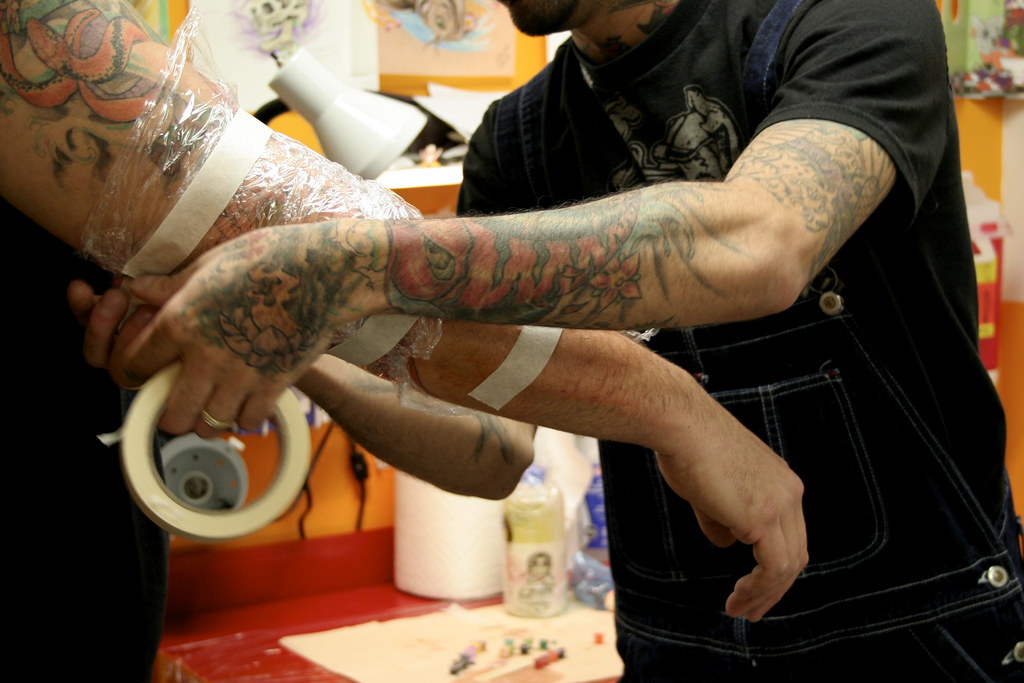
How Long Should I Keep My Tattoo Wrapped All You Need To Know! — InkMatch
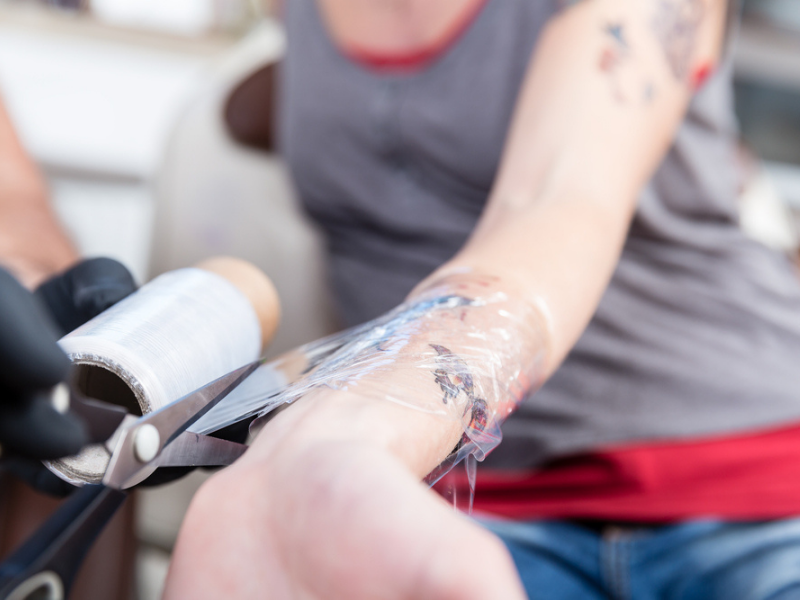
Should I Wrap My New Tattoo and For How Long? Oracle Tattoo Gallery

How Long Should I Leave My Tattoo Wrapped? Tattoo Shop
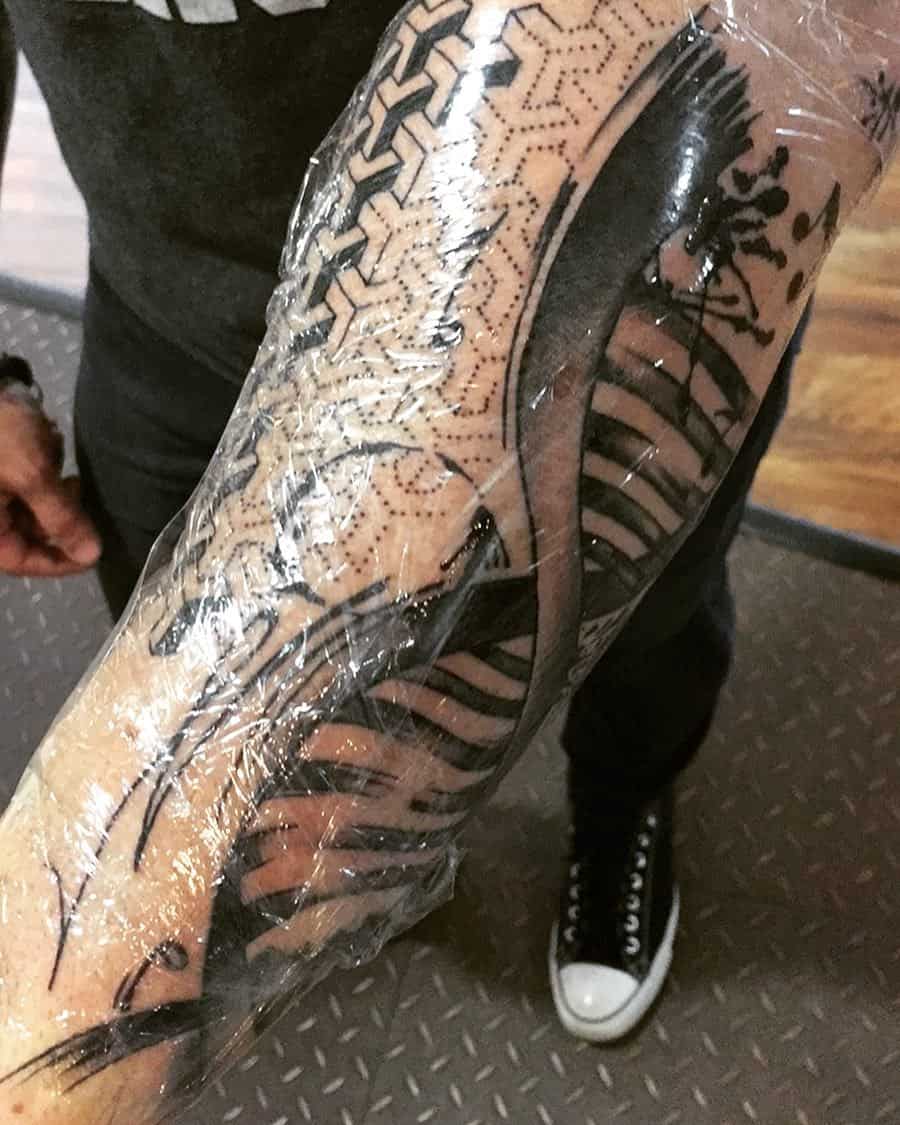
How Long To Keep Tattoo Wrapped
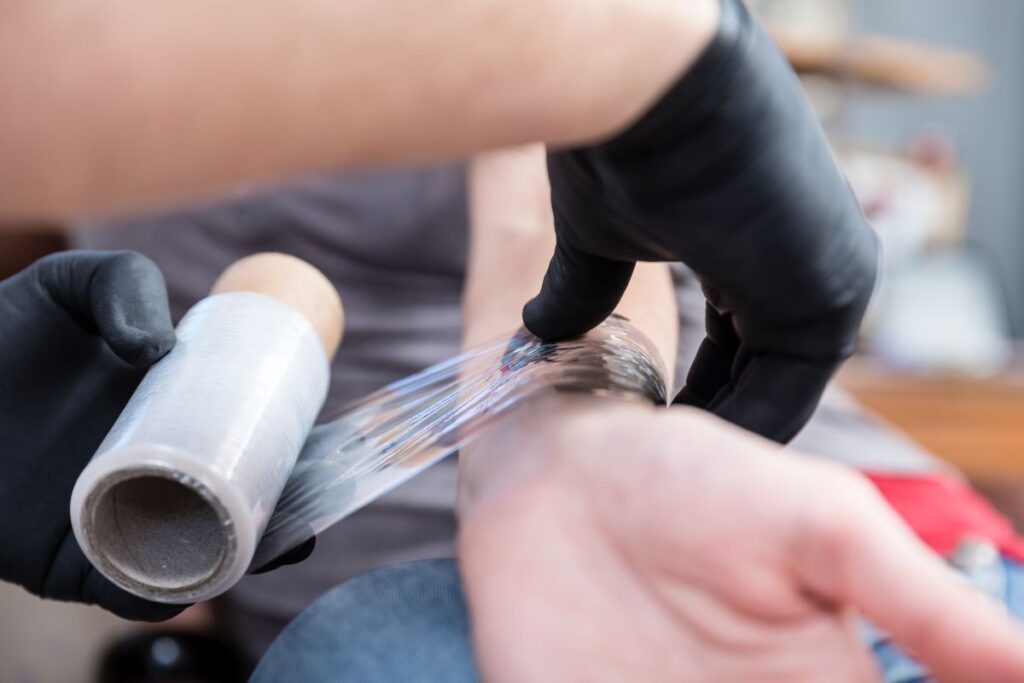
The Best Tattoo Artists in Michigan Our Top 10 Picks To Give You Ink

Should I Wrap My Tattoo At Night How To Wrap A Tattoo Properly?

Share 53+ tattoo plastic wrap in.cdgdbentre

30+ Wrap Around Arm Tattoos For Females Pics

Should I Wrap My Tattoo At Night How To Wrap A Tattoo Properly?
Before Applying The Wrap, The Tattoo Artist Will Thoroughly Clean And Moisturize The Area To Create A Safe And Moist Environment For The Tattoo To Heal.
This Includes Airborne Bacteria, Dirt, Dust, Pet.
Wrap The Tattoo With Clean, Fresh Plastic Without Using Any Ointment, Lotion Or Moisturizer.
Wrapping Tattoos In A Cling Film Has Been A Common Practice Since The ’60S To ’70S By Bikers Groups.
Related Post: