
Blown Out Tattoo
Blown Out Tattoo - It happens when ink is injected too deep in the skin. A tattoo blowout will cause the ink to look blurry and smudged on the skin’s surface. A tattoo blowout usually appears as a blurry, smudged area around the tattoo, while a bruise is usually confined to a specific area and has a defined shape. We’ll also offer some tips to keep in mind as you build your tattoo collection and ensure you get your money’s worth for each session. This misuse of the tattooing needle causes the ink to insert deeper into the skin than it should. It penetrates immediately into the fat layer and spreads out there instead of getting fixed in the dermis. Tattoo blowout occurs when the artist presses hard on the machine and the paint gets too deep into the skin. However, it can be prevented. Web one way to tell the difference between a tattoo blowout and a bruise is by observing the affected area’s shape and size. Below, we talked with experts on what tattoo blowout is and how you can make sure it doesn't happen to you. Web if you're unfamiliar, tattoo blowout is when a tattoo appears blurry—and unfortunately, cannot be fixed. Below, we talked with experts on what tattoo blowout is and how you can make sure it doesn't happen to you. We’ll also offer some tips to keep in mind as you build your tattoo collection and ensure you get your money’s worth for each session. Tattoo blowout occurs when the artist presses hard on the machine and the paint gets too deep into the skin. This delivers ink into the fat tissue of the skin, where the ink spreads, leading to a blown out tattoo. However, it can be prevented. A tattoo blowout will cause the ink to look blurry and smudged on the skin’s surface. Web a blowout is a noticeable place where tattoo ink has been placed incorrectly in the skin. It happens when ink is injected too deep in the skin. A tattoo blowout usually appears as a blurry, smudged area around the tattoo, while a bruise is usually confined to a specific area and has a defined shape. This delivers ink into the fat tissue of the skin, where the ink spreads, leading to a blown out tattoo. This is is caused when a less experienced tattoo artist presses the needle too deep into the skin. Web a tattoo blowout looks like your tattoo is bleeding or blurry outside the lines. Web one way to tell the difference. Web what is a tattoo blowout? Below, we talked with experts on what tattoo blowout is and how you can make sure it doesn't happen to you. This delivers ink into the fat tissue of the skin, where the ink spreads, leading to a blown out tattoo. Web if you're unfamiliar, tattoo blowout is when a tattoo appears blurry—and unfortunately,. A tattoo blowout usually appears as a blurry, smudged area around the tattoo, while a bruise is usually confined to a specific area and has a defined shape. Web one way to tell the difference between a tattoo blowout and a bruise is by observing the affected area’s shape and size. We’ll also offer some tips to keep in mind. Web what is a tattoo blowout? Tattoo blowout occurs when the artist presses hard on the machine and the paint gets too deep into the skin. This is is caused when a less experienced tattoo artist presses the needle too deep into the skin. This misuse of the tattooing needle causes the ink to insert deeper into the skin than. This misuse of the tattooing needle causes the ink to insert deeper into the skin than it should. A tattoo blowout will cause the ink to look blurry and smudged on the skin’s surface. Below, we talked with experts on what tattoo blowout is and how you can make sure it doesn't happen to you. Tattoo blowout occurs when the. Web what is a tattoo blowout? This is is caused when a less experienced tattoo artist presses the needle too deep into the skin. This delivers ink into the fat tissue of the skin, where the ink spreads, leading to a blown out tattoo. Below, we talked with experts on what tattoo blowout is and how you can make sure. It happens when ink is injected too deep in the skin. This misuse of the tattooing needle causes the ink to insert deeper into the skin than it should. This delivers ink into the fat tissue of the skin, where the ink spreads, leading to a blown out tattoo. Web if you're unfamiliar, tattoo blowout is when a tattoo appears. Below, we talked with experts on what tattoo blowout is and how you can make sure it doesn't happen to you. Web a tattoo blowout looks like your tattoo is bleeding or blurry outside the lines. It happens when ink is injected too deep in the skin. This delivers ink into the fat tissue of the skin, where the ink. Below, we talked with experts on what tattoo blowout is and how you can make sure it doesn't happen to you. It penetrates immediately into the fat layer and spreads out there instead of getting fixed in the dermis. This misuse of the tattooing needle causes the ink to insert deeper into the skin than it should. Web a blowout. A tattoo blowout usually appears as a blurry, smudged area around the tattoo, while a bruise is usually confined to a specific area and has a defined shape. This delivers ink into the fat tissue of the skin, where the ink spreads, leading to a blown out tattoo. Web one way to tell the difference between a tattoo blowout and. However, it can be prevented. This misuse of the tattooing needle causes the ink to insert deeper into the skin than it should. Web a blowout is a noticeable place where tattoo ink has been placed incorrectly in the skin. This is is caused when a less experienced tattoo artist presses the needle too deep into the skin. It penetrates immediately into the fat layer and spreads out there instead of getting fixed in the dermis. It happens when ink is injected too deep in the skin. We’ll also offer some tips to keep in mind as you build your tattoo collection and ensure you get your money’s worth for each session. Web if you're unfamiliar, tattoo blowout is when a tattoo appears blurry—and unfortunately, cannot be fixed. Tattoo blowout occurs when the artist presses hard on the machine and the paint gets too deep into the skin. Below, we talked with experts on what tattoo blowout is and how you can make sure it doesn't happen to you. A tattoo blowout usually appears as a blurry, smudged area around the tattoo, while a bruise is usually confined to a specific area and has a defined shape. This delivers ink into the fat tissue of the skin, where the ink spreads, leading to a blown out tattoo.
Aggregate 54+ tattoo blown out best in.cdgdbentre
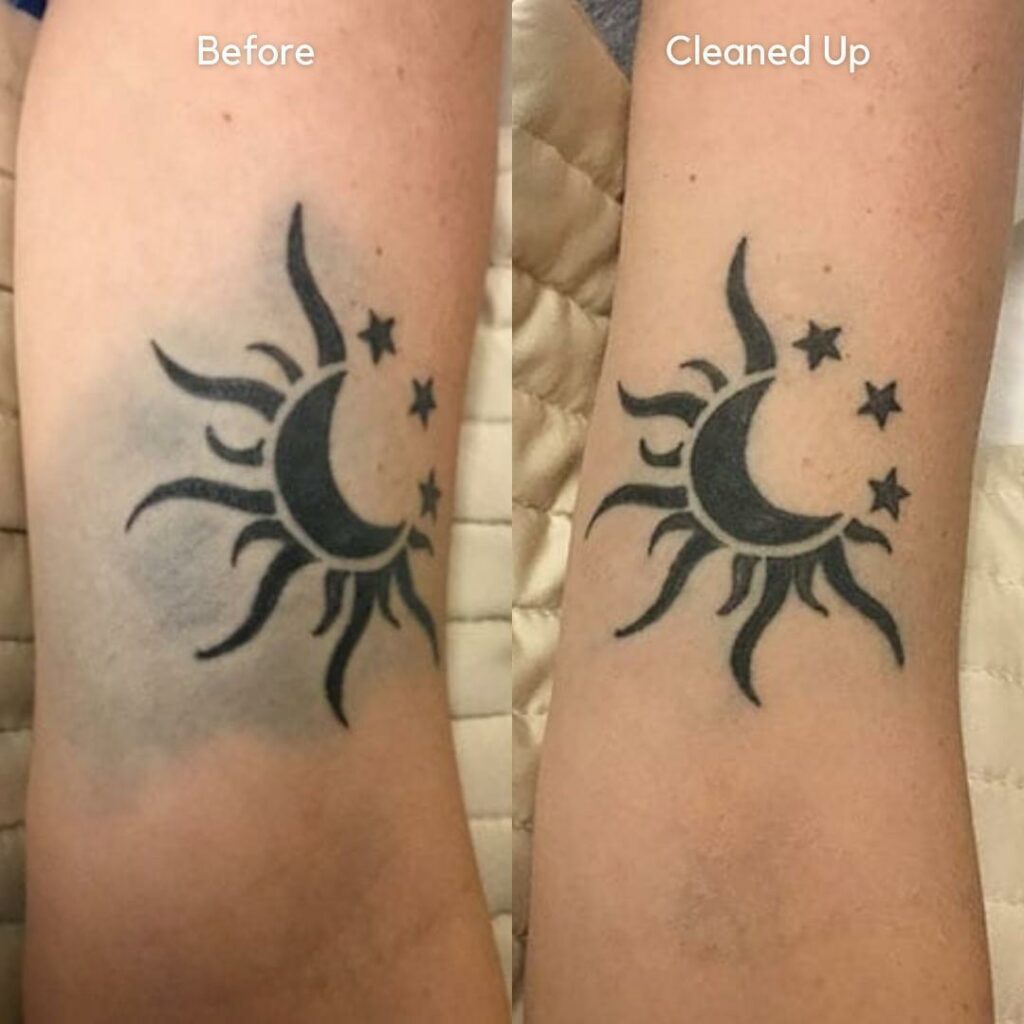
How to Fix Tattoo Blowout or Still Healing? Hero Tattoo
Pic of the blown out tattoo I posted about earlier today, done by Joe
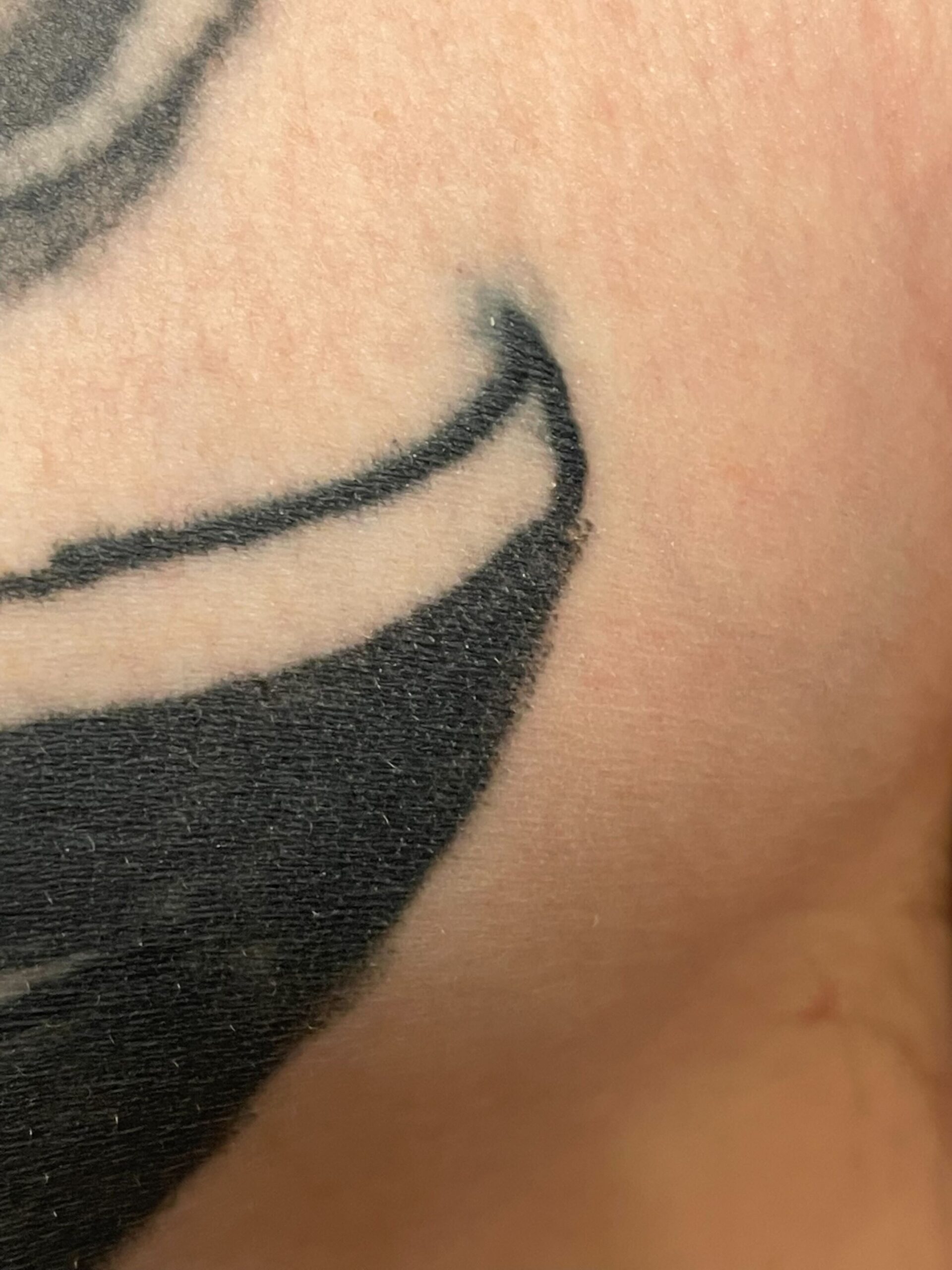
Tattoo Blowout What Is It, What Causes It, & More Saniderm

Extreme Tattoo Blowout Examples & Healing Ideas TattooGlee Tattoo
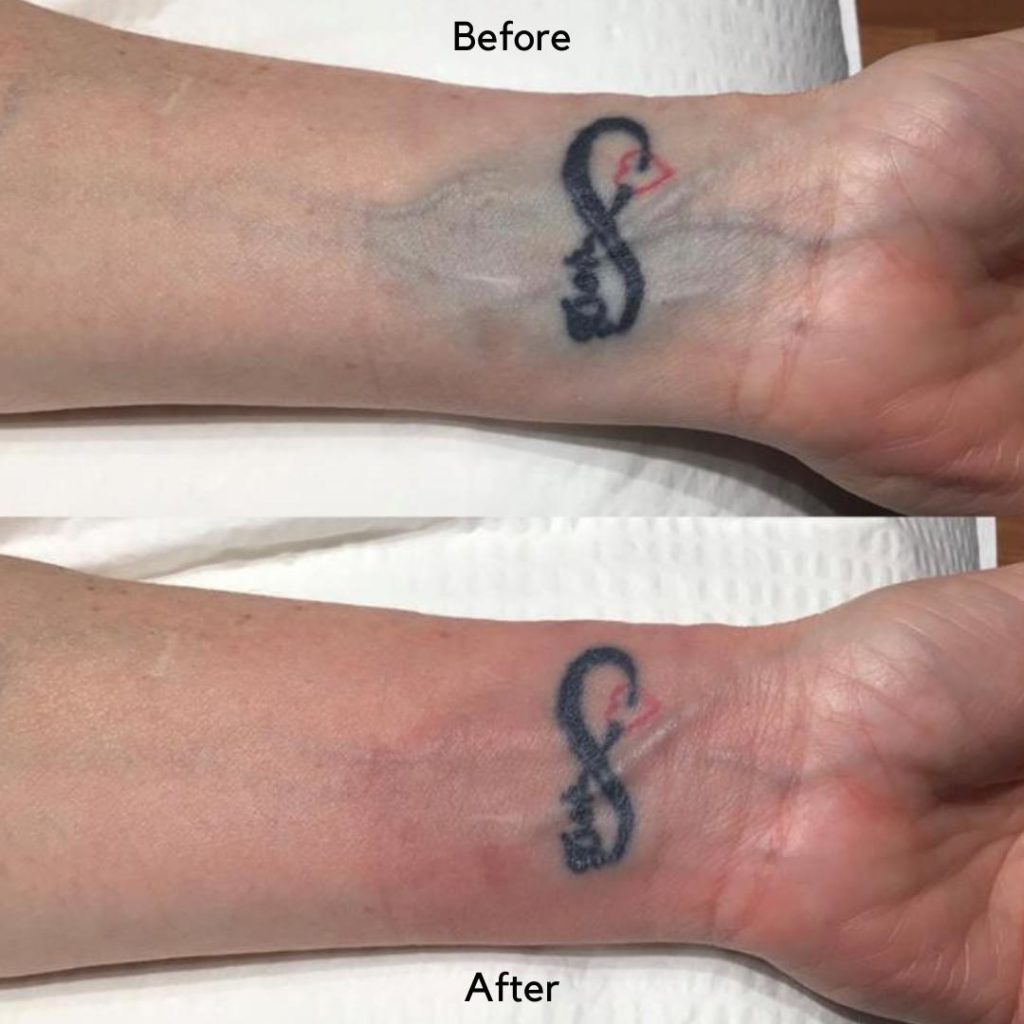
17+ Blown Out Tattoo MoraAnastasia

How To Fix Tattoo Blowout? Astylish Fashion

Heard of blowouts in tattoos? Here's what it means if your ink looks
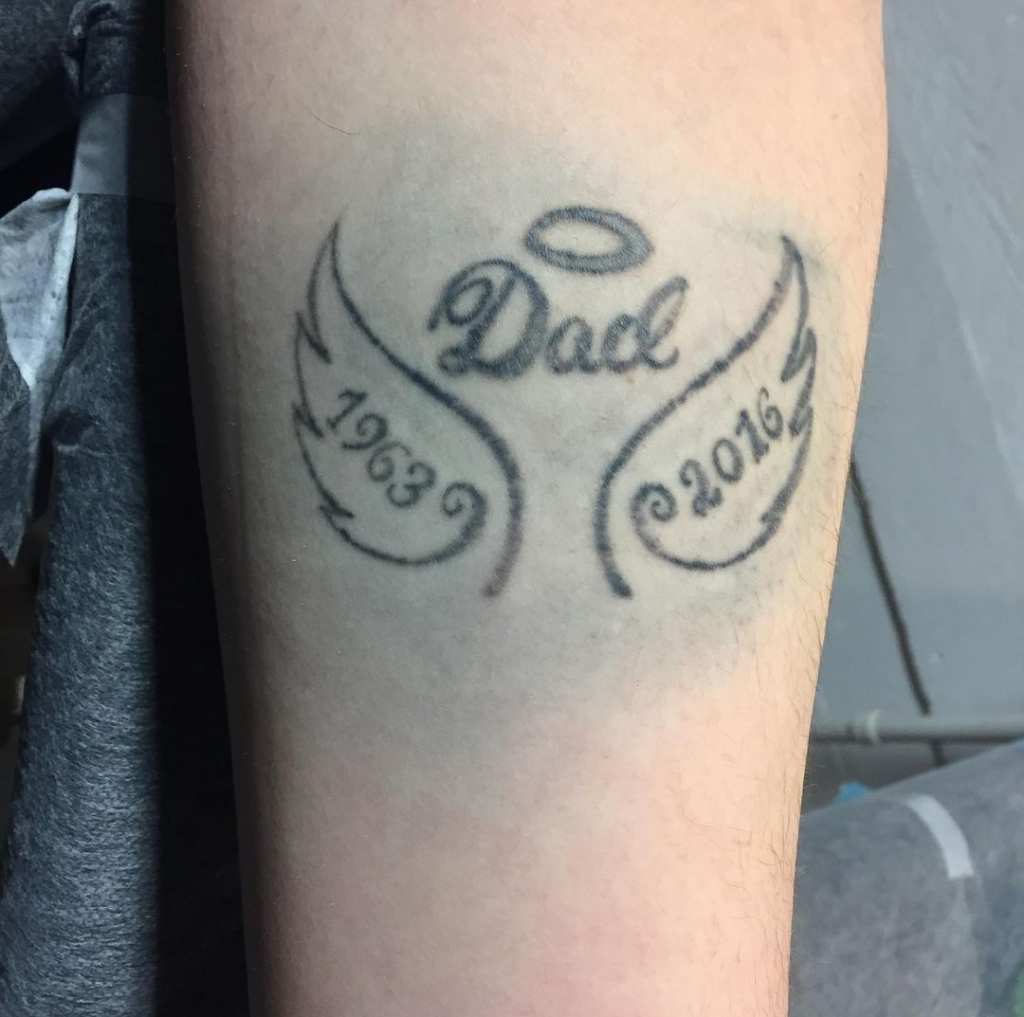
What is a Tattoo Blowout and How to Fix it?

What Is Tattoo Blowout & Can You Fix It? AuthorityTattoo
A Tattoo Blowout Will Cause The Ink To Look Blurry And Smudged On The Skin’s Surface.
Web A Tattoo Blowout Looks Like Your Tattoo Is Bleeding Or Blurry Outside The Lines.
Web What Is A Tattoo Blowout?
Web One Way To Tell The Difference Between A Tattoo Blowout And A Bruise Is By Observing The Affected Area’s Shape And Size.
Related Post: